The Role of Food in Cultural Immersion During Travel
Traveling offers an incredible opportunity to explore new cultures, and food plays a pivotal role in this immersion. This article will explore how experiencing local cuisine can enhance cultural understanding and create authentic connections with communities.
Understanding the Basics
Food is often referred to as a universal language, playing a crucial role in defining cultural identity. According to research from the Culinary Institute of America, food experiences are foundational to cultural immersion, helping travelers grasp the nuances of local customs and traditions. This occurs because meals are typically shared experiences that foster social interaction and connection.

"Food not only nourishes the body but also the soul, acting as a bridge between cultures and people." - Culinary Research Expert
How Food Enhances Cultural Immersion
Experiencing local cuisine can significantly broaden a traveler's understanding of a destination. Here are a few ways in which food contributes to cultural immersion:
- Local Ingredients and Traditional Recipes: Engaging with local food often involves using ingredients that are specific to the region. Many studies indicate that traditional recipes often tell stories about the local environment and history, providing insight into the area's culture. For instance, using seasonal produce reflects the community's agricultural practices.
- Food Markets and Street Vendors: Visiting local markets and trying street food allows travelers to interact with locals, which can lead to meaningful conversations and insights into daily life. Research suggests that these interactions can enhance the travel experience and create lasting memories.
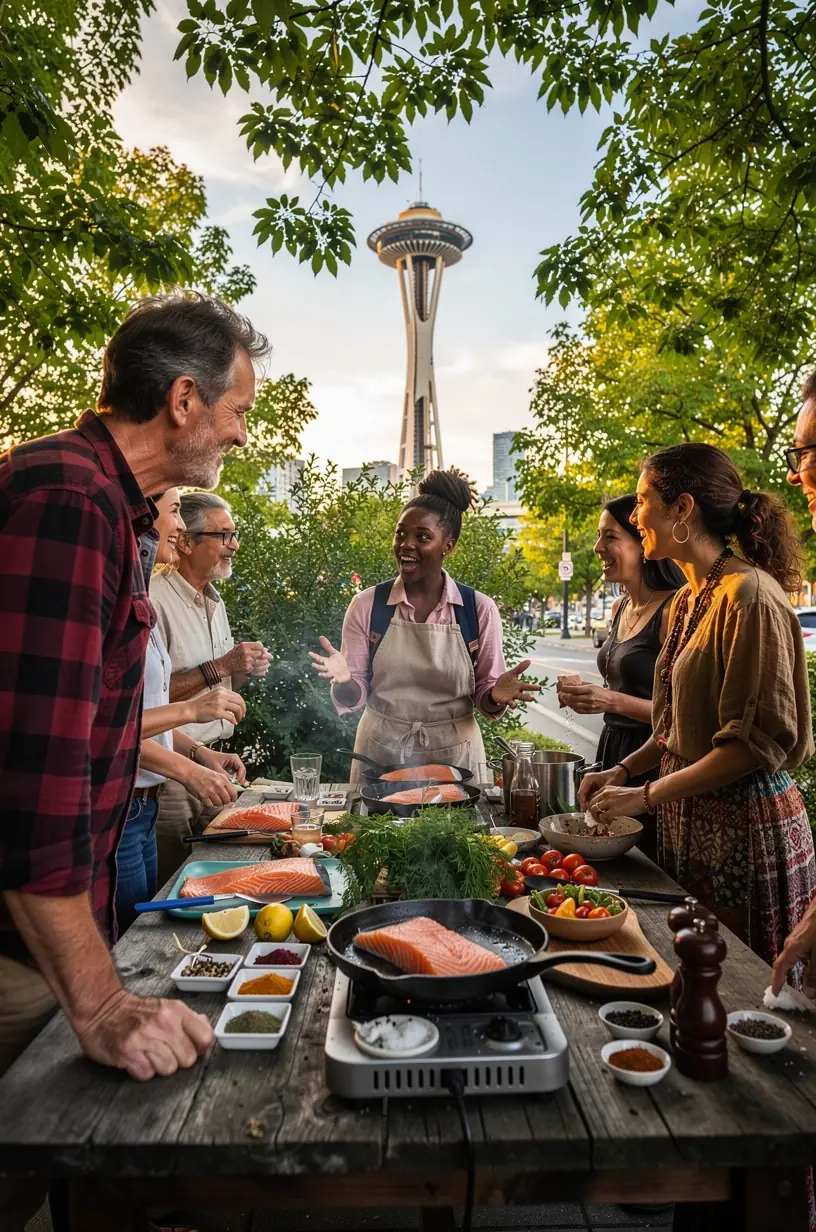
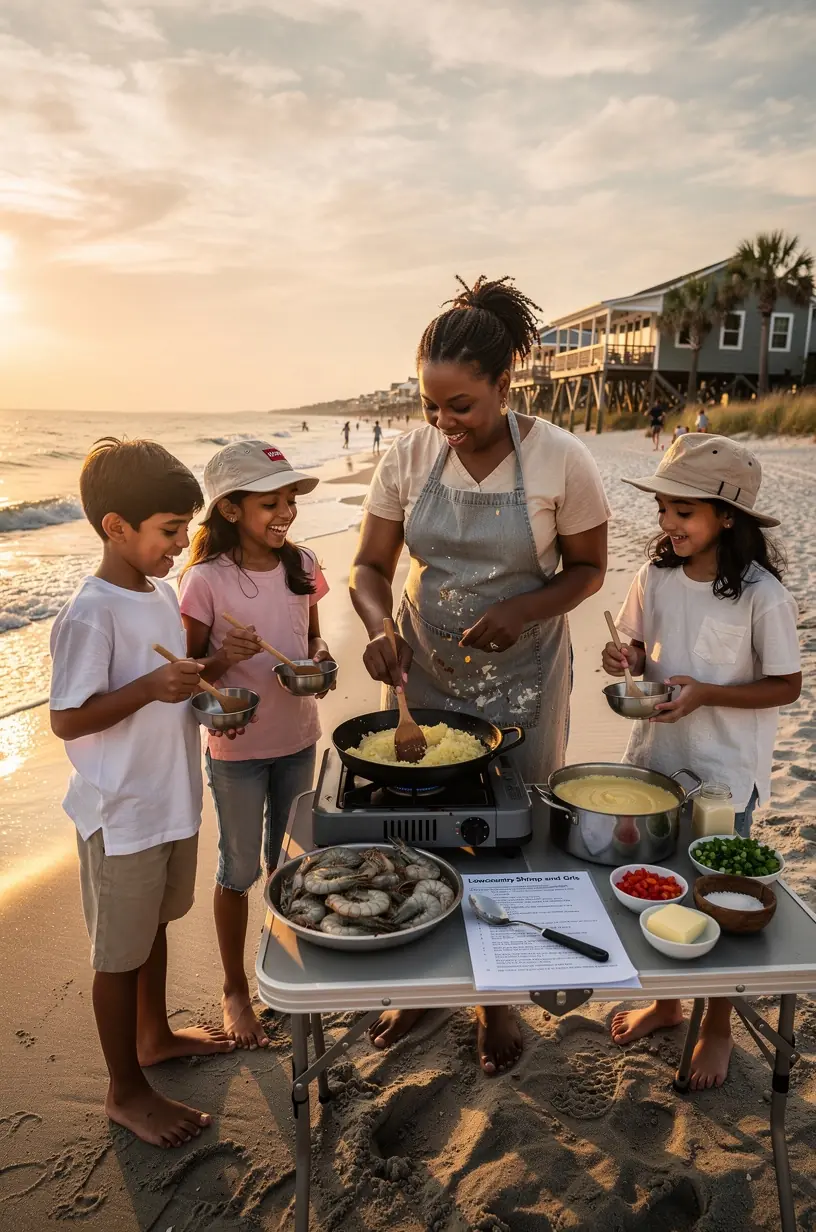
- Cooking Classes: Many travelers find that taking a cooking class is an effective way to connect with local culture. According to industry experts, participating in such classes can deepen understanding of cultural significance behind dishes and enhance cooking skills simultaneously.
Challenges in Culinary Exploration
While food can play a crucial role in cultural immersion, there are challenges that travelers may encounter:
- Dietary Restrictions: Travelers with specific dietary restrictions may find it difficult to fully experience local cuisine. It is essential to communicate these needs to avoid potential discomfort.
- Cultural Differences: Understanding local eating etiquette and customs can sometimes be daunting. Research indicates that familiarizing oneself with these practices can alleviate discomfort and foster better interactions.
- Time Commitment: Engaging with food culture, such as attending cooking classes or exploring local markets, requires time. Travelers should set realistic expectations and plan their itinerary accordingly, often dedicating several hours to these experiences.
Conclusion
Food is a significant element of cultural immersion and can enrich a traveler’s experience. By exploring local cuisine, travelers can engage more deeply with the culture, creating connections that go beyond surface-level tourism. As research indicates, these culinary experiences often lead to a greater appreciation of a destination's unique identity and traditions. To make the most of your journey, consider planning time for culinary exploration and staying open to new experiences that food can offer.
Learn More